
For decades the dream of combining ground and air travel in a personal transportation device has attracted inventors, entrepreneurs, and investors the result being sometimes ugly, sometimes elegant, sometimes technically workable solutions. But the dream has never evolved into a successful reality despite many millions of dollars spent and many brilliant minds having been applied to the problem. But, as with the development of Artificial Intelligence (does anyone remember the Japanese 5th Generation project of 1982-1992?), the landscape may finally be changing.
Not that we are anywhere near Jetson style point to point flying cars but there are many current initiatives that are showing promise. Before delving into an exploration of the latest developments, it is worth reviewing some of the historical projects and technology.
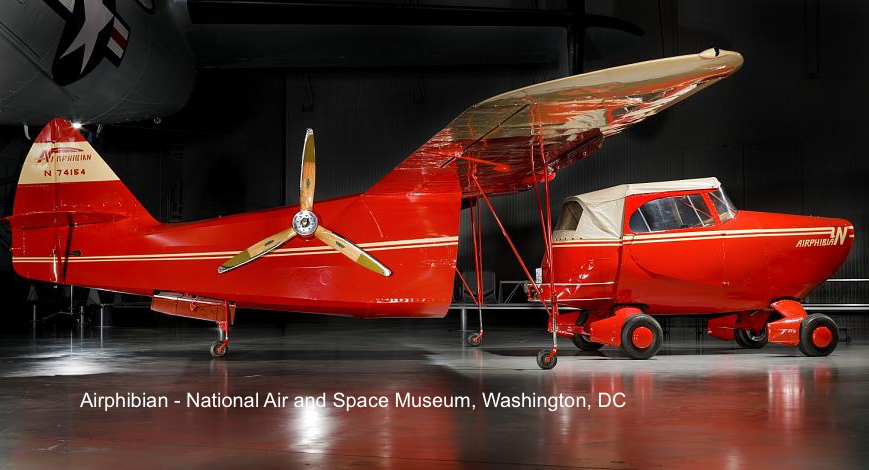
Perhaps the first technically successful product was the Airphibian designed by Robert Edison Fulton which first flew in 1946. The approach used was to have the roadable car detach from the wings and rear fuselage which had to be stored at the airport destination while the car was being driven. Four of these units were built and one survives in the National Air and Space Museum in Washington, DC.
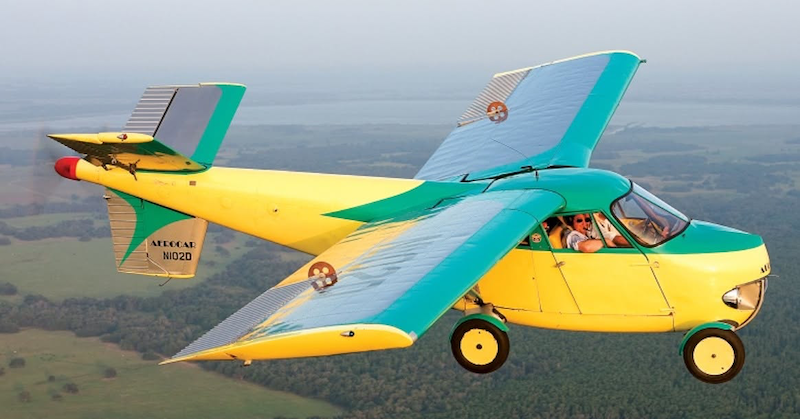
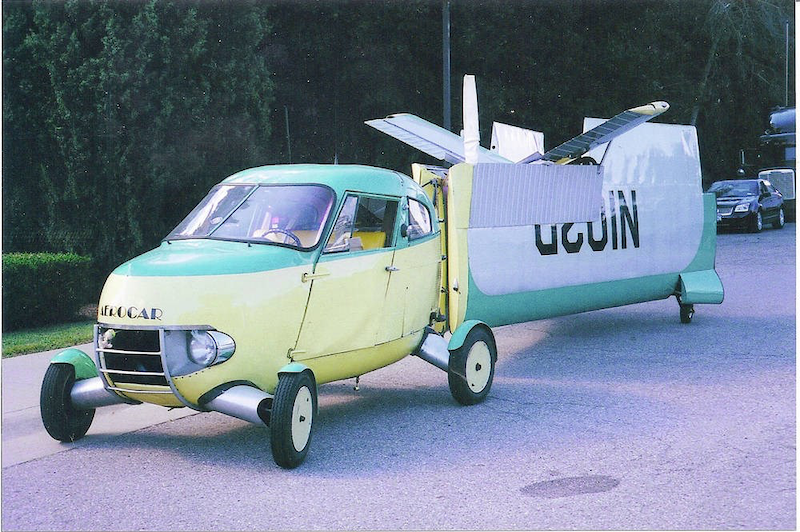
This approach was refined by Moulton Taylor in the form of the Taylor Aerocar which actually was a street legal car and a functional two passenger aircraft. Unlike the Airphibian the Aerocar towed the aircraft components (wings and tail section) as a trailer. This eliminated the need to depart from the same airport as the vehicle arrived at or to pay for storage of components at an airport. Six examples of the ever-evolving Aerocar were built with FAA certification granted in 1956. Despite gaining notoriety by being featured on the popular “New Bob Cummings Show” and some interest from Ford Motor Company the Aerocar never went into mass production. Interestingly all six Aerocars have survived with examples being publicly displayed at the EAA AirVenture Museum in Oshkosh, Wisconsin, the Golden Wings Flying Museum near Minneapolis, the Kissimmee Air Museum in Florida, and Seattle’s Museum of Flight.
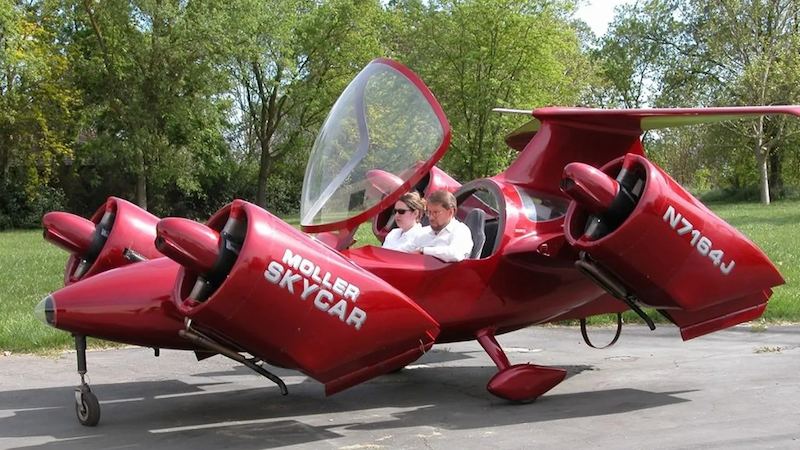
The prize for the longest sustained effort at trying to create a flying car goes to Paul S. Moller who founded Moller International in 1982 and the company exists to this day. I will attribute his persistence and perhaps his optimism to his Canadian upbringing. But I cannot be as charitable about his claims of imminent commercial success. Visiting the moller.com website will give you the impression that several of his designs are available for immediate purchase and will provide amazing capabilities. For example according to the website the Nueura can “operate hundreds feet above any surface: land, water, sand, snow, swamp or grasslands” and can be “used like other recreational vehicles”. In fact, no Moller design has ever come close to being certified by the FAA and the only “flight” of a Moller product was a tethered flight of the M400 Skycar in 2003.
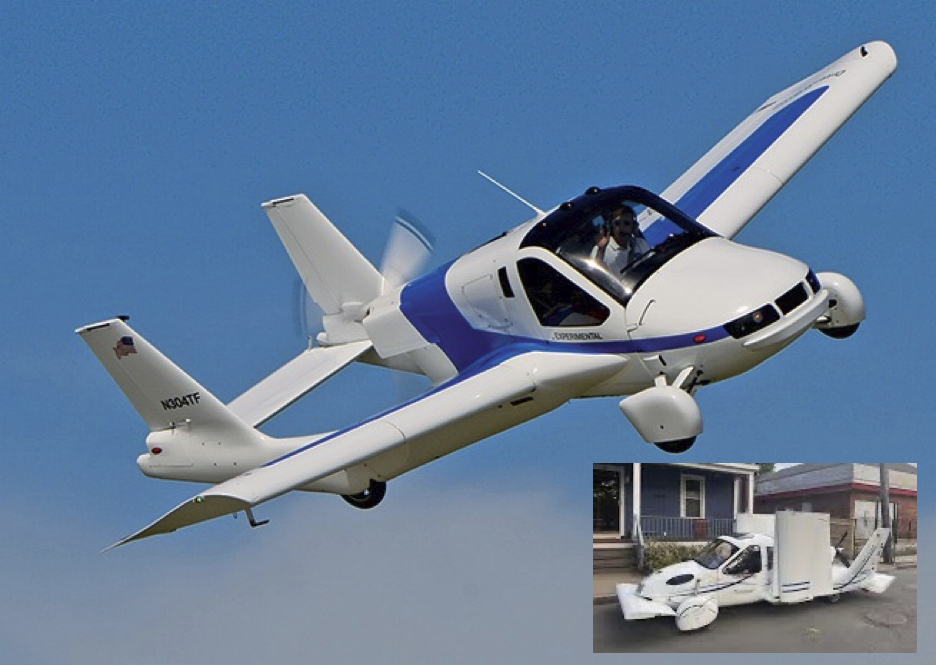
The dream of a flying car was revived with the Terrafugia Transition which first flew in 2010. Two prototypes were developed with the second logging over 200 flight hours. However, by 2021 the company had laid off its U.S. workforce and the fate of the company after a planned relocation to China is unknown.
All of these attempts to combine the functionality of an aircraft and a road vehicle suffer from several fatal flaws. First, all would require a private pilot’s license to operate – so that is pretty much a non-starter right there. Second, all take-offs and landings would have to be done at an airport and be subject to all the vagaries of air traffic management. Third, these devices are not good at either flying or driving on a road. Too many design compromises are required to fulfill the requirements of both functions. Finally, and as a result of the previous points, these vehicles would be very expensive to purchase and operate.
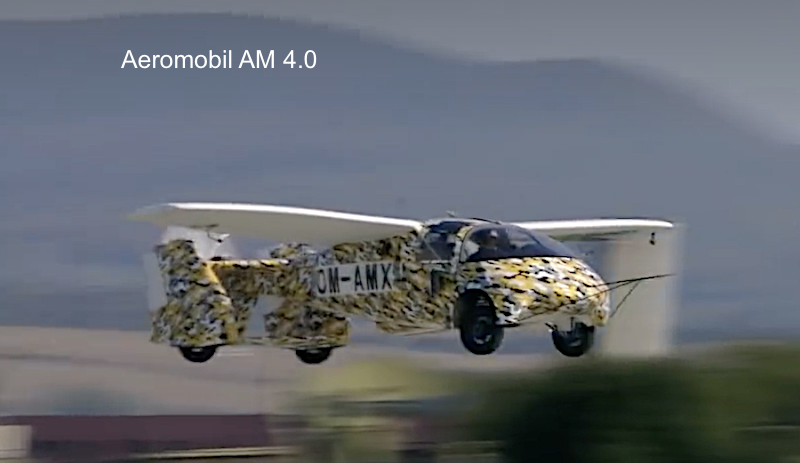
Contemporary efforts such as AeroMobil AM 4.0 suffer from the same issues and will most certainly suffer the same fate. They may look fantastic and they may technically perform the dual roles of car and airplane but as a commercial concept it is clear that fixed wing vehicles will never get off the ground.
The alternative to vehicles bound to airports are VTOL devices that don’t need a runway and can be flown literally from a person’s driveway. Up until the technological innovations that made drones possible acquiring the skills to operate a rotary aircraft were significantly more daunting even than learning to safely operate a fixed wing aircraft. This was sadly demonstrated by the example of John Uptigrove whose amazing Mosquito one-person helicopters epitomize the power of personal innovation. Although he had decades of experience flying Mosquitos his life ended tragically in 2018 when he struck an unmarked utility cable spanning the Highwood River near his home in Alberta, Canada.
In recent years that reality has changed. The combination of software, miniaturized computing power and electric motors has allowed the development of drones which can be flown by ordinary people with minimal training and experience. This same technology will, without doubt, finally bring about the realization of the personal air transport dream.
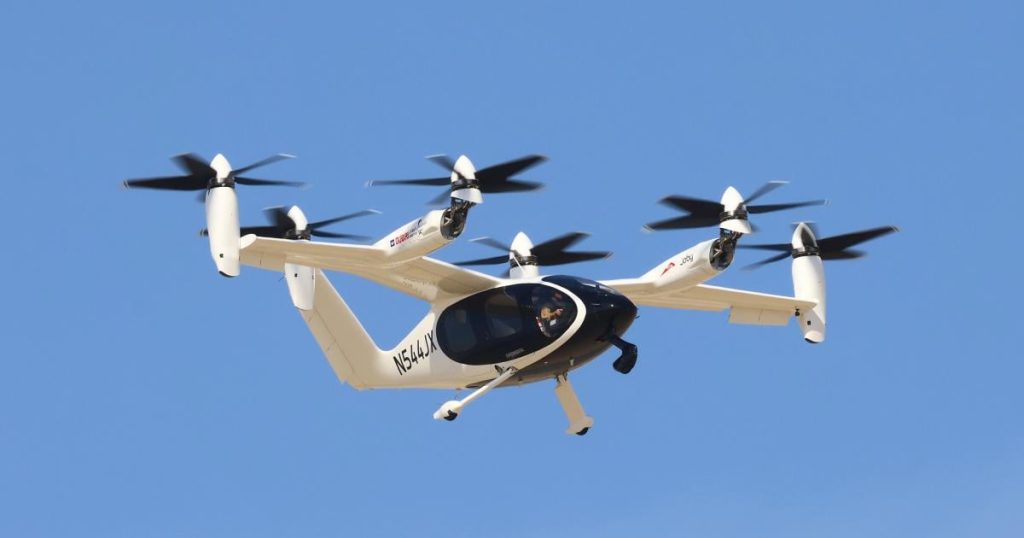
Numerous start-up companies are making rapid progress towards commercializing this technology. Joby Aviation, having invested hundreds of millions of dollars, is very close to its first commercial delivery of an air taxi.
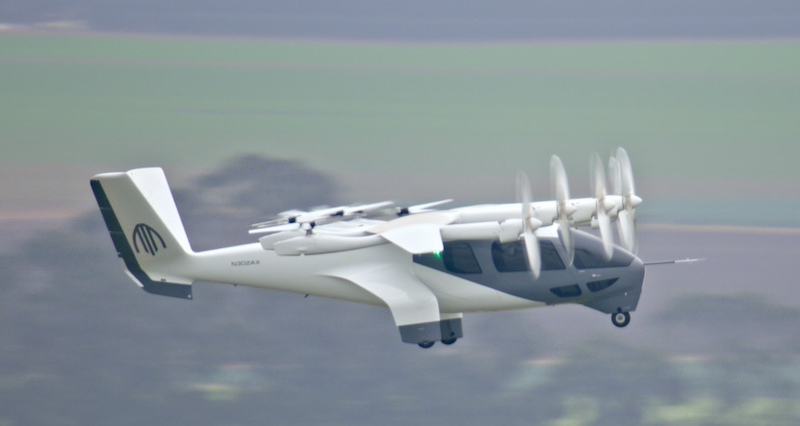
Archer aviation is another pioneer conducting flight tests of its VTOL air taxi concept. Wisk Aero is promoting an autonomous version of the air taxi concept (but errors in its video’s demonstrating the machine are not encouraging).
One of the key technologies behind the latest developments is the emergence of efficient electric motors. Unlike past attempts to make flying cars a reality the history of electrically powered aircraft has had some notable technical success stories.
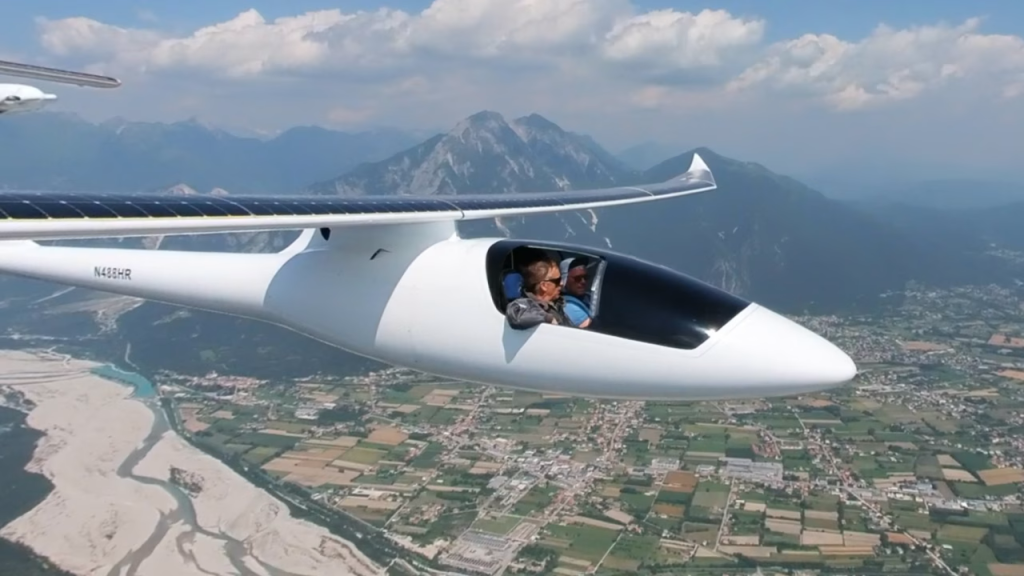
A series of solar powered aircraft designed by Eric Scott Raymond has racked up a number of impressive achievements. A solar powered flight across the United States in 1990 in Sunseeker I was followed by a transit across the Alps in 2009 in an upgraded Sunseeker 2. The latest version is the Sunseeker Duo which flew first in 2013. It is a two place aircraft that the designer flies regularly to this day.
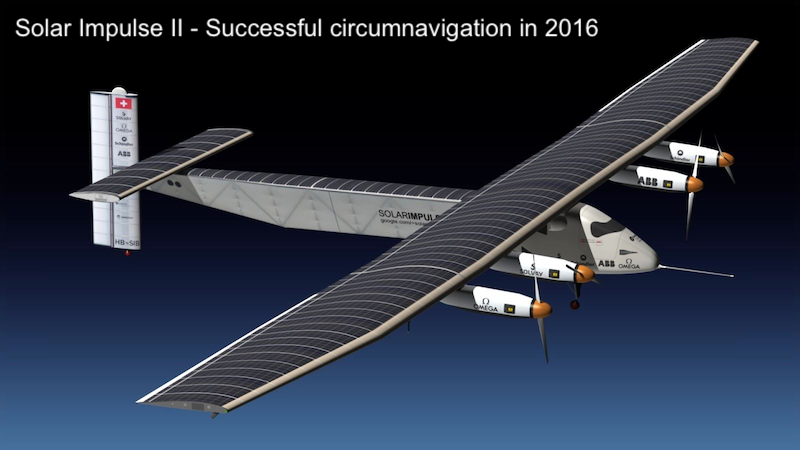
The Solar Impulse project saw the development of a solar powered aircraft that successfully flew around the globe between 2015 and 2016.
Experimentation with electrically powered aircraft continues and in several cases is approaching true commercialization.
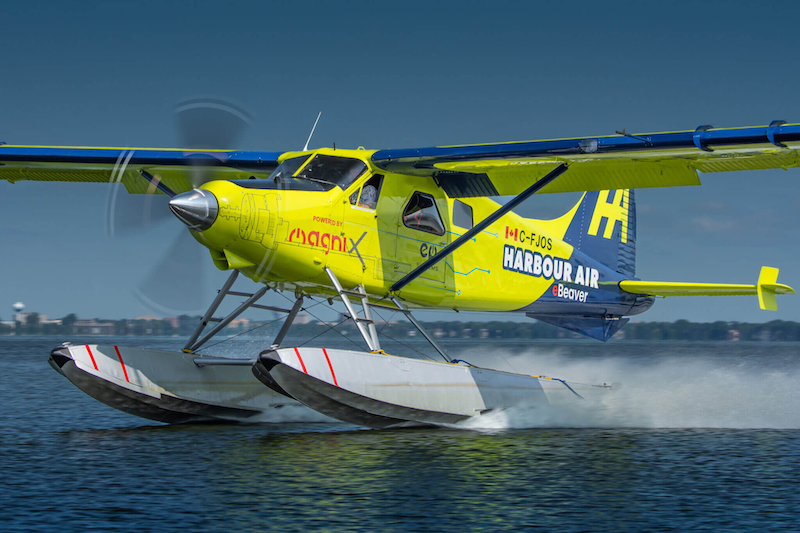
Since 2019 Harbour Air out of Vancouver Canada has been experimenting with an electrically powered Beaver aircraft for short duration flights. Although some issues with battery cooling remain to be conclusively resolved the regional carrier hopes to get type certification for the conversion in 2027 and intends to convert up to 12 piston aircraft to electrical power trains.
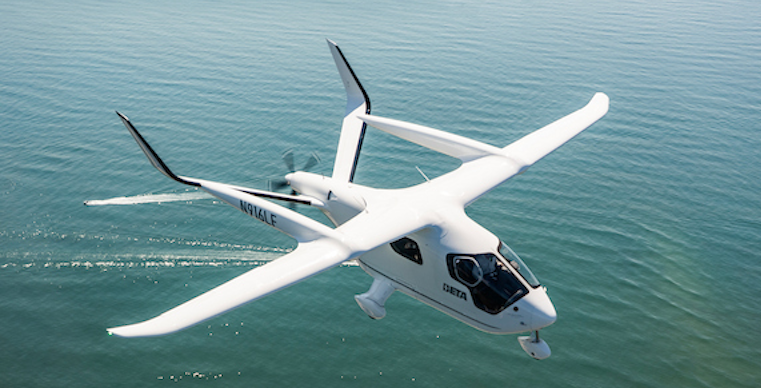
Beta Technologies out of Vermont is in active flight testing with both pure electric and hybrid Hydrogen/Electric versions of its aircraft. Other start-ups such as Electra are achieving many milestones along the path to mass production and commercial deployment.
The bottom line is this; a new world of air mobility is almost upon us. Air taxis as well as autonomous electric automobiles are going to radically change how we get around this planet. Electric motors will inevitably replace less efficient and maintenance-heavy internal combustion engines in many airframes. There will be challenges ahead but the end state is clear.